3D Inflated Heart Valentine Tumbler: A Practical Guide to Digital Designs
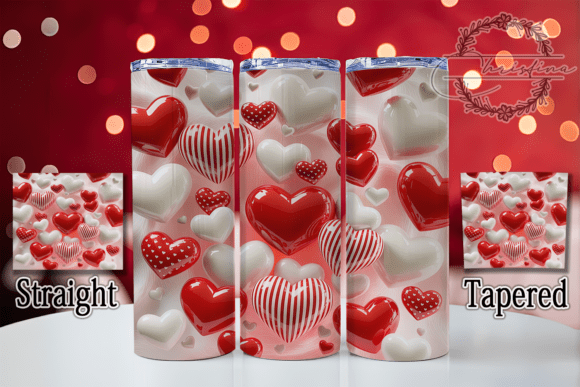
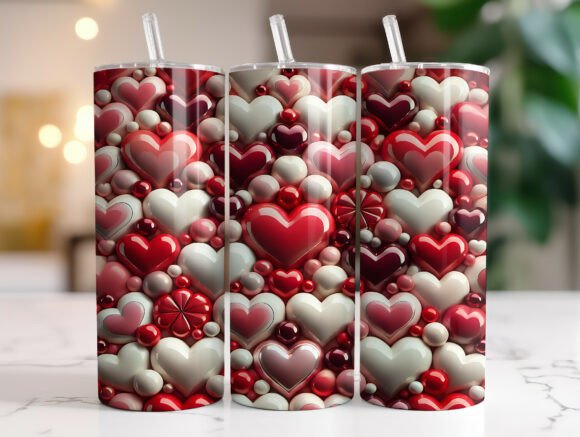
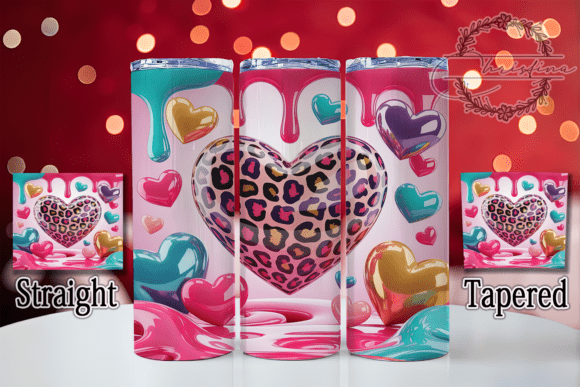
The 3D Inflated Heart Valentine Tumbler design has quickly become a favorite for creators looking to add a modern, playful touch to their drinkware projects. This specific style mimics the look of a puffy, three-dimensional heart, offering depth and texture that flat graphics simply cannot achieve. It is particularly popular for Valentine's Day merchandise, but its vibrant aesthetic makes it suitable for year-round gifting or personal use. For entrepreneurs using sublimation printers, this digital asset represents a low-risk opportunity to test a new product line without investing in expensive inventory upfront.
However, navigating the world of digital downloads requires a clear understanding of what you are actually purchasing. Unlike physical products, you are buying a file, not an object. The Chrisfina listing for this design is a prime example of a high-quality digital resource, specifically engineered to fit 20oz skinny tumblers perfectly. Yet, many buyers overlook critical details that can lead to wasted materials, poor print quality, or customer dissatisfaction. Understanding these nuances is the difference between a professional-looking product and a disappointing one.
Understanding the Format: Digital vs. Physical Expectations
One of the most common misunderstandings among beginners is the expectation of immediate gratification. When you purchase a listing like the 3D Inflated Heart Valentine Tumbler, you are receiving a digital download. No physical item will be shipped to your doorstep. This distinction is vital for your workflow planning. If you are running a small business, you must have the necessary equipment—such as a sublimation printer, heat press, and compatible tumblers—ready before you buy the file.
Without the right hardware, a high-resolution PNG file is just data on your screen. Many hobbyists make the mistake of buying multiple designs in anticipation of starting a business, only to realize they lack the time or tools to produce them. This leads to "digital clutter" and wasted funds. Before downloading, ensure you have a clear plan for how you will apply the design. Are you printing it yourself? Sending it to a Print-on-Demand (POD) service? Knowing your production method dictates whether this specific file format will work for you.
The Importance of Design Variations: Straight vs. Tapered
A frequent oversight when purchasing tumbler designs is ignoring the shape of the vessel. Not all 20oz tumblers are created equal. Some have straight sides, while others taper inward toward the bottom. Applying a design meant for a straight tumbler onto a tapered one can result in distorted images, stretched hearts, or awkward white gaps at the bottom of the cup.
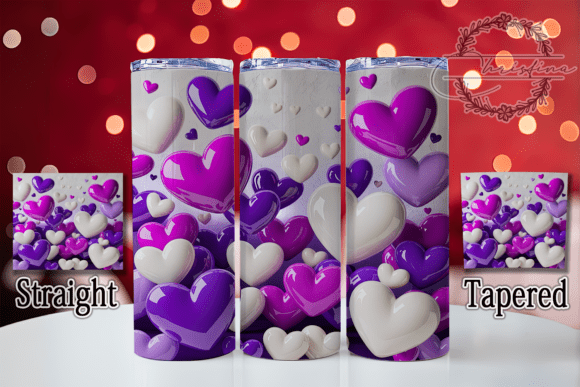
This is why the 3D Inflated Heart Valentine Tumbler listing includes two distinct files: one for a straight design and one for a tapered design. Using the wrong version is a costly error. If you attempt to force a straight design onto a tapered tumbler by manually resizing it in software, you risk ruining the aspect ratio of the 3D heart effect. The inflation and shadow details may warp, making the image look cheap rather than premium.
Practical Advice: Always measure your tumbler or check the manufacturer's specifications before selecting which file to use. If you are unsure, download both versions included in the package and test print them on paper first. This simple step saves ink, transfer paper, and prevents the frustration of having to re-heat press a ruined tumbler.
Resolution and Print Quality: Beyond the Screen
The promise of a crisp, professional-quality print relies heavily on resolution. This design is provided at 300 DPI (dots per inch), which is the industry standard for high-quality printing. However, simply having a high-resolution file does not guarantee a perfect result if the output settings are incorrect.
A common mistake is resizing the image beyond its intended dimensions without understanding pixel density. While the design is versatile and can be resized for other projects, stretching it too large for a different product—like a full-size water bottle or a tote bag—can cause pixelation. The smooth gradients of the 3D heart effect rely on sufficient pixel data. If you stretch the image too far, those smooth transitions turn into jagged blocks, destroying the illusion of depth.
To maintain quality, keep the design within reasonable scaling limits. For the best results, stick to the intended 20oz skinny tumbler size or scale down slightly for smaller items. If you need to scale up significantly, consider creating a vector version of the design, though this may require additional graphic design skills or software.
Navigating Color Accuracy and Calibration
Color management is perhaps the most overlooked aspect of digital design application. What you see on your monitor is rarely identical to what comes out of your printer. Screens use RGB (Red, Green, Blue) light to create colors, while sublimation printers use CMYK (Cyan, Magenta, Yellow, Key/Black) inks. This fundamental difference means that vibrant reds on your screen might print as duller maroons on the tumbler.
The 3D Inflated Heart Valentine Tumbler features rich, saturated colors designed to pop. However, due to differences in screen resolution, monitor settings, and printer calibration, final print colors may vary slightly. Relying solely on your uncalibrated monitor can lead to disappointment. You might order fifty tumblers based on a bright pink heart, only to receive a batch where the pink looks washed out or orange-tinted.
Better Approach: Always run a test print before committing to a bulk order. Use a spare tumbler or even a piece of ceramic tile to gauge color accuracy. Adjust your printer profiles or ICC settings if necessary to match the desired output. Acknowledging that slight variations are normal helps manage customer expectations if you are selling these items online. Transparency about potential color shifts builds trust with your buyers.
Versatility and Creative Application
While this design is optimized for 20oz skinny tumblers, its versatility allows for creative expansion. Entrepreneurs often limit themselves by thinking a design is "only" for one product. In reality, the 3D Inflated Heart Valentine Tumbler can be adapted for mugs, phone cases, keychains, and apparel, provided the resolution holds up.
The key to successful adaptation is maintaining the integrity of the 3D effect. On curved surfaces like tumblers, the wrap-around nature of the design enhances the inflated look. On flat surfaces, you may need to adjust the lighting or shadow elements to ensure the heart still appears three-dimensional. Don't be afraid to experiment, but always prioritize the visual clarity of the main subject.
Before making a decision to use this file for a new product line, ask yourself: Does the design scale well? Is the background transparent enough for my substrate? Will the colors translate well to the material I am using? Answering these questions proactively ensures that your creative journey remains efficient and profitable.
Final Checklist for Success
Before you finalize your purchase or start your production run, review these essential points to ensure a smooth experience:
- Verify Your Hardware: Ensure you have a sublimation printer and heat press capable of handling 300 DPI prints.
- Select the Correct Shape: Choose between the straight or tapered file based on your specific tumbler model.
- Test Colors First: Run a single test print to calibrate your printer and manage color expectations.
- Check Resolution Limits: Avoid over-scaling the image to prevent pixelation and loss of detail.
- Understand the License: Confirm that the usage rights cover your intended business model, whether it's POD, wholesale, or retail.
By approaching the 3D Inflated Heart Valentine Tumbler design with a strategic mindset, you avoid common pitfalls and maximize the value of your investment. Whether you are a seasoned marketer or a beginner exploring the world of custom drinkware, attention to detail transforms a simple digital file into a standout product. Remember, the quality of your final product depends less on the file itself and more on how thoughtfully you apply it.