3D Recipe Book Cover Laser Cut: Designing Your Digital Template for Precision Crafting
If you have ever stood in front of a laser cutter, watching the beam trace intricate lines through wood or acrylic, you know that the magic lies entirely in the file preparation. A 3D Recipe Book Cover Laser Cut template is not just a pretty picture; it is the architectural blueprint for a functional, artistic object. When we talk about this specific digital product, we are discussing a meticulously engineered design file intended for creators who want to build custom recipe binders, journals, or gift items with professional-grade precision.
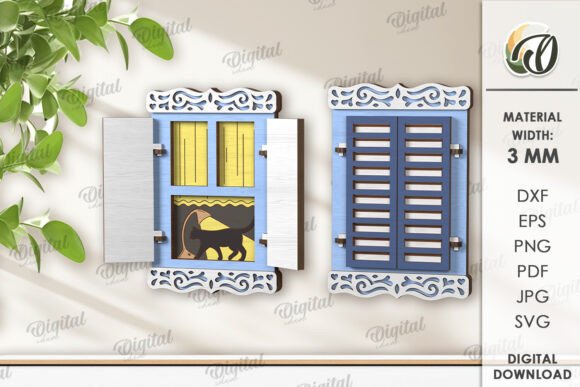
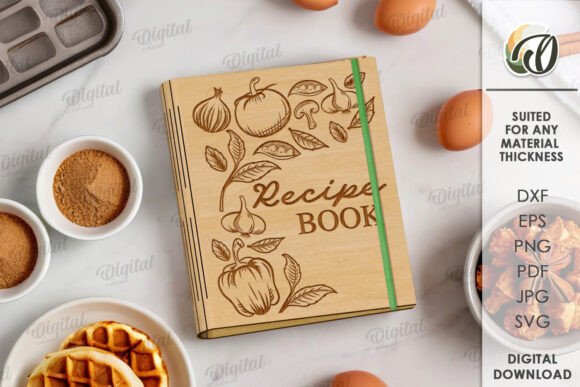
It is crucial to clarify immediately that this is a digital product. No physical goods will be sent to your doorstep. The photos you see in the listing are strictly for inspiration, showcasing what is possible when the file is used correctly. What you receive is a zip folder containing one comprehensive design in multiple formats: SVG, DXF, EPS, PDF, JPEG, and PNG. This versatility ensures that whether you are using a Glowforge, xTool, Cricut Maker, or industrial CNC machine, your software can interpret the data without frustration.
Why Digital Templates Are the Backbone of Modern Crafting
For many hobbyists and small business owners, the barrier to entry in laser cutting is not the machine itself, but the design phase. Creating a 3D-style cover that folds correctly, aligns perfectly, and maintains structural integrity requires a deep understanding of kerf (the width of the cut), material thickness, and vector geometry. By purchasing a pre-made 3D Recipe Book Cover Laser Cut file, you bypass hours of trial and error. You are buying certainty.
This approach allows you to focus on the creative aspects that machines cannot replicate: material selection, finishing techniques, and personalization. Instead of worrying if your tabs will line up, you can concentrate on choosing the perfect walnut veneer, vibrant acrylic, or sturdy cardstock. The possibilities of creation are truly endless because the base structure is already solved for you.
Real-World Applications for Creators and Entrepreneurs
The utility of this design extends far beyond a single project. Different users leverage these files in distinct ways to solve specific problems or create new revenue streams.
For the Home Cook and Family Historian
Imagine compiling your grandmother’s handwritten recipes into a cohesive book. A standard binder feels impersonal, but a laser-cut cover with intricate floral patterns or geometric lattices transforms the collection into an heirloom. You can customize the inner pages to fit standard paper sizes, ensuring that the food stains and notes from decades of cooking are preserved behind a durable, beautiful facade. This is where the emotional value of the craft shines brightest.
For the Etsy Seller and Small Business Owner
If you run a shop selling personalized gifts, time is money. Designing a complex 3D cover from scratch for every customer order is unsustainable. With a reliable 3D Recipe Book Cover Laser Cut template, you can offer customization as an upsell. You might keep a stock of pre-cut covers in popular woods, ready to be engraved with a name or date upon purchase. This reduces lead times and increases your profit margins, as you are selling a finished product rather than just raw materials.
For Educators and Workshop Leaders
Teachers and workshop hosts often look for projects that teach both design thinking and manual skills. Using a pre-vetted file allows students to focus on the assembly and finishing processes. They can learn about joinery, sanding, and staining without getting discouraged by failed cuts due to poor vector design. It serves as an excellent educational tool for demonstrating how 2D designs translate into 3D objects.
Understanding the File Formats Included
One of the most common questions buyers have relates to compatibility. The zip folder attached to your purchase includes six different file types, each serving a specific purpose in the workflow:
- SVG (Scalable Vector Graphics): Ideal for web-based laser cutters like Glowforge and many desktop cutting machines. It preserves quality at any size.
- DXF (Drawing Exchange Format): The industry standard for CAD software and industrial laser cutters. If you use AutoCAD or similar programs, this is your go-to.
- EPS (Encapsulated PostScript): Preferred by graphic designers using Adobe Illustrator. It allows for easy editing of colors and layers before sending to the cutter.
- PDF (Portable Document Format): Useful for viewing the design layout and dimensions without specialized software. Some basic cutters can also import PDF vectors.
- JPEG and PNG: These are raster images. While they cannot be directly cut by a laser as vectors, they are essential for previewing the design, creating marketing materials, or using as reference guides during assembly.
Practical Considerations Before You Cut
While the file is optimized for success, the outcome depends heavily on your execution. Here are realistic observations to keep in mind before you start your machine.
Material Thickness Matters: The design is likely calibrated for a specific material thickness, commonly 3mm or 1/8 inch. If you use material that is significantly thicker or thinner, the slots and tabs may not fit together snugly. Always measure your material with calipers before loading the file. If necessary, adjust the scale of the vector slightly in your software to compensate.
Kerf Compensation: Every laser beam burns away a tiny amount of material. This is called kerf. High-quality templates account for average kerf, but your machine may differ. It is always wise to do a test cut on a scrap piece of the same material to ensure the joints fit tightly. A loose joint results in a wobbly book cover; a too-tight joint can crack the wood during assembly.
Grain Direction: If you are cutting wood, pay attention to the grain. For long spans of the cover, running the grain parallel to the spine can provide better structural support. However, for intricate decorative elements, you may need to balance aesthetics with strength. Acrylic and MDF do not have grain, making them more forgiving for beginners.
Maximizing Your Creative Potential
Once you have mastered the basic assembly, consider how you can elevate the final product. The 3D Recipe Book Cover Laser Cut design provides the skeleton, but you provide the soul. Try combining materials, such as using a wooden frame with an acrylic insert for a modern look. Experiment with stains, paints, or pyrography (wood burning) to add depth to the cut-out areas.
For marketers and bloggers, this product offers excellent content opportunities. Documenting the process from digital file to physical object engages audiences who love behind-the-scenes looks. It demonstrates expertise and attention to detail, building trust with your followers.
Remember, this digital download is a tool. Its value is realized only when you apply it to your unique vision. Whether you are creating a single gift for a loved one or producing a batch for a holiday market, the precision of this file ensures a professional result.
Thank you for visiting my store. We understand that working with digital files and laser machinery can sometimes present unexpected challenges. Please write me a message if you have a question about file compatibility, material recommendations, or assembly tips. I am here to help you succeed in your crafting journey. Happy shopping, and may your cuts be clean and your creations inspiring.