Understanding the 3D Inflated Mug Wrap Heat Press Technique for Custom Sublimation
The evolution of sublimation printing has moved far beyond flat surfaces, allowing creators to produce vibrant, full-wrap designs on curved objects. Among the most popular techniques in this space is the use of specialized wraps designed for the 3D Inflated Mug Wrap Heat Press method. This approach differs significantly from traditional mug pressing, offering a unique aesthetic that mimics depth and texture through visual trickery rather than physical embossing. For designers and small business owners, understanding the nuances of this technique is essential for producing high-quality merchandise that stands out in a crowded market.
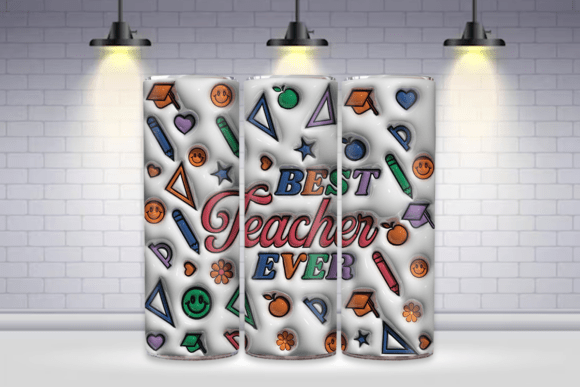
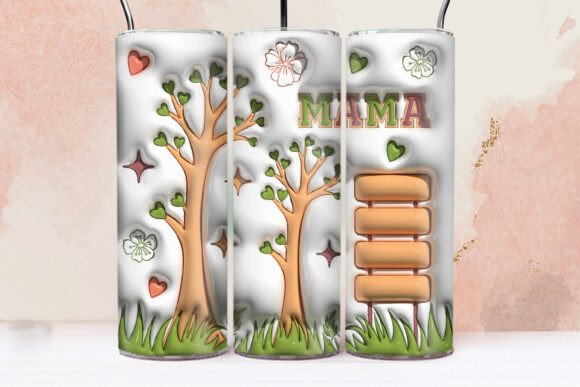
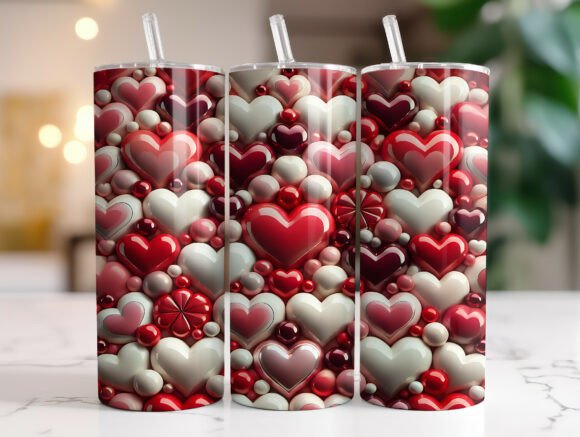
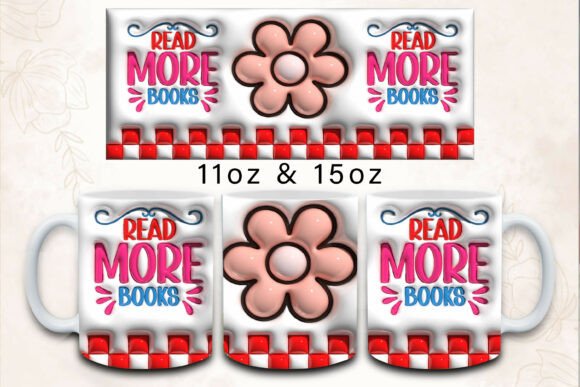
When evaluating whether this method suits your project, it is crucial to distinguish between the digital asset—the wrap design—and the physical application process. The term "3D Inflated" refers to the visual style of the graphic, which often features puffy, balloon-like typography or imagery that appears to float off the surface of the mug. Achieving this look requires precise alignment, high-resolution assets, and a thorough understanding of how heat transfers ink onto polymer-coated ceramics.
Distinguishing Visual Style from Physical Application
A common misconception among newcomers to sublimation is that a "3D mug press" machine is required to create these designs. In reality, the 3D Inflated Mug Wrap Heat Press technique typically utilizes standard clamp-style mug presses or convection ovens, paired with digitally created wraps that simulate three-dimensionality. The "inflation" effect is achieved through shading, highlights, and perspective in the graphic design itself, not through physical molding of the mug.
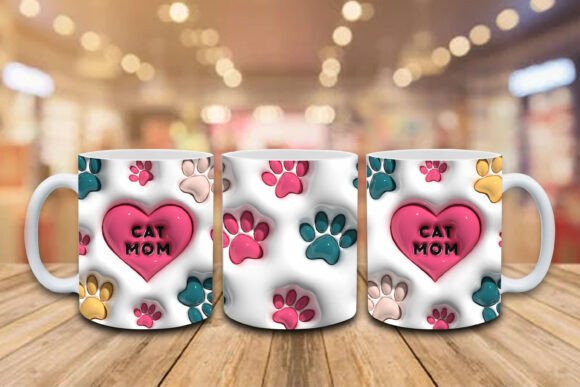
This distinction is vital for resource allocation. Investing in expensive vacuum-forming machinery is unnecessary if your goal is to produce the popular "inflated" text styles seen on social media. Instead, the focus shifts to acquiring high-quality digital files, such as the 3D Inflated Cat Mom Mug Wrap, which are optimized for specific mug sizes. These files are usually provided in high-resolution formats, such as 300 DPI PNGs, ensuring that when printed and pressed, the edges remain crisp and the gradient shading looks smooth rather than pixelated.
Evaluating File Specifications and Compatibility
The success of any sublimation project hinges on the quality of the source file. When downloading digital wraps for an 11 oz or 15 oz mug, several technical factors determine the final output. First, resolution is non-negotiable. A file labeled as 300 DPI (dots per inch) ensures that the image retains clarity even when stretched slightly during the wrapping process. Lower resolution files may appear acceptable on a computer screen but will reveal jagged edges and banding once transferred to ceramic.
Dimensions also play a critical role. Standard 11 oz mugs typically require a wrap size of approximately 8.5 x 3.5 inches, while 15 oz mugs need around 9 x 4 inches. However, these measurements are approximate. Different manufacturers produce mugs with slight variations in circumference and height. Therefore, having a digital file that can be resized without losing quality is a significant advantage. Vector-based designs are ideal, but high-resolution raster images like PNGs are widely used because they support transparent backgrounds and complex color gradients necessary for the inflated 3D effect.
It is also important to note that these are digital downloads. No physical product is mailed to the buyer. This instant access allows for rapid prototyping and inventory management, as you only print what you sell. However, it places the responsibility of color calibration on the user. Colors on a monitor often differ from printed output due to variations in printer profiles, ink brands, and paper types. Conducting test prints on sublimation paper before committing to a full batch is a prudent step to ensure the "inflated" highlights and shadows render correctly.
Comparing Sublimation Wraps to Alternative Decoration Methods
To determine if the 3D Inflated Mug Wrap Heat Press approach is right for your needs, it helps to compare it with other common customization methods. Each technique has distinct tradeoffs regarding durability, cost, and visual appeal.
- Sublimation Wraps: Offer full-color, edge-to-edge printing that becomes part of the mug's coating. The result is dishwasher safe and highly durable. The "3D" effect is purely visual but can be striking. Requires a polymer-coated mug and specific heat press equipment.
- Vinyl Decals: Provide actual physical texture and raised lettering. While this offers true tactile 3D, vinyl can peel over time, especially with frequent washing. It is also limited in color complexity and gradient capabilities compared to sublimation.
- Ceramic Markers: Allow for hand-drawn customization but lack the professional polish of printed wraps. They are best for one-off gifts rather than commercial products.
- Waterlide Decals: Can be applied to non-polymer mugs, offering broader substrate compatibility. However, they are generally less durable than sublimation and may require sealing with a clear coat to prevent fading.
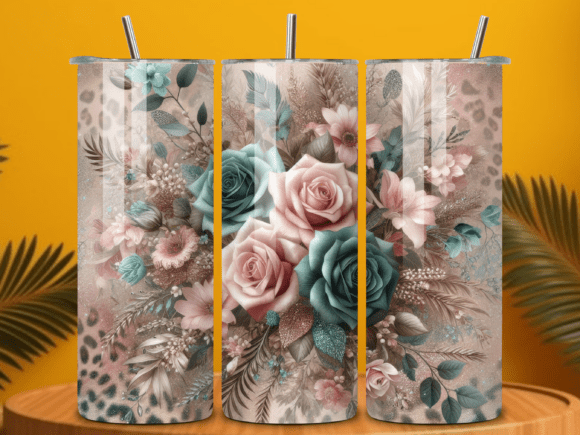
For those seeking the vibrant, photographic quality of the 3D Inflated Cat Mom Mug Wrap, sublimation remains the superior choice. The ability to resize files for various projects, including skinny tumblers, adds versatility that vinyl cutting cannot easily match without extensive weeding and layering.
Practical Considerations for Best Results
Executing a flawless 3D inflated wrap requires attention to detail during the pressing phase. Even pressure is critical. If the heat press clamps are too loose, the sublimation paper may shift, causing ghosting or blurring of the intricate shadow details that create the 3D illusion. Conversely, excessive pressure can crack the mug or cause ink bleed.
Temperature and time settings must be calibrated according to the specific mug brand and ink type. Generally, sublimation on ceramics occurs between 380°F and 400°F for 180 to 200 seconds. Using heat-resistant tape to secure the wrap prevents movement during the transfer. Additionally, allowing the mug to cool completely before removing the paper ensures the ink has fully set into the polymer coating.
Another practical consideration is the limitation of the white base. Sublimation ink is transparent and does not contain white pigment. Therefore, the "inflated" effect relies on the white background of the mug to provide brightness. If you attempt to sublimate onto a colored mug, the colors will mix with the base tone, potentially dulling the vibrant highlights needed for the 3D effect. Always use white or light-colored polymer-coated mugs for these designs.
When to Choose This Method Over Alternatives
The 3D Inflated Mug Wrap Heat Press technique is ideal for creators who want to offer trendy, eye-catching designs with minimal physical labor per unit. It is particularly well-suited for niche markets, such as pet lovers or hobbyists, where personalized, high-impact graphics drive sales. The availability of pre-made designs like the Cat Mom wrap reduces the time spent on graphic design, allowing sellers to focus on marketing and production efficiency.
However, this method may not be suitable if you require tactile texture or if you are working with non-polymer substrates. In such cases, exploring vinyl application or waterlide decals might be more appropriate. Additionally, if you lack access to a reliable heat press or convection oven, the initial equipment investment might be a barrier compared to simpler methods like ceramic markers.
Ultimately, the decision depends on your target audience and production capacity. For high-volume, professional-looking merchandise with vibrant, durable prints, mastering the sublimation wrap technique is a valuable skill. By leveraging high-quality, resizable digital assets and adhering to precise pressing protocols, you can consistently produce mugs that captivate customers with their illusory depth and color richness.
Remember that creativity is the only limit. While the 11 oz and 15 oz formats are standard, the same principles apply to other sublimatable items. Whether you are creating gifts for friends or building a product line, understanding the technical and aesthetic aspects of these wraps ensures that your final product meets professional standards. Always verify file dimensions, test your color profiles, and prioritize even heat distribution to achieve the best possible outcome with every press.