Bakery Front Logo Mockup Design: A Practical Guide to Visual Branding
In the competitive landscape of food retail, visual identity is not merely an aesthetic choice; it is a critical business asset. The Bakery Front Logo Mockup Design serves as a bridge between abstract brand concepts and tangible customer experiences. For entrepreneurs, graphic designers, and marketing professionals, understanding how to effectively utilize this tool can significantly streamline the branding process. It allows stakeholders to visualize how a logo interacts with physical architecture before any permanent installation occurs, reducing risk and enhancing decision-making confidence.
This article explores the practical integration of bakery front mockups into your workflow. We will examine how these digital assets fit into broader project timelines, interact with other design tools, and contribute to a cohesive brand strategy. By focusing on implementation and usability, you can leverage these resources to create compelling, professional presentations that resonate with your target audience.
Integrating Mockups into the Branding Workflow
A common misconception is that mockups are only useful at the final stage of a project. In reality, a versatile Bakery Front Logo Mockup Design can be valuable at multiple stages of the creative process. Understanding where it fits helps maximize its utility and ensures that design decisions are data-driven rather than purely intuitive.
Pre-Production and Concept Validation
During the initial planning phase, mockups serve as a validation tool. Before committing to expensive signage manufacturing or storefront renovations, you can test various logo placements, sizes, and color schemes. This early integration helps identify potential visibility issues or aesthetic clashes with the building’s existing architecture. By using a high-resolution PSD file, designers can quickly iterate on concepts, allowing clients to provide feedback based on realistic visuals rather than flat vector files.
Client Presentations and Stakeholder Alignment
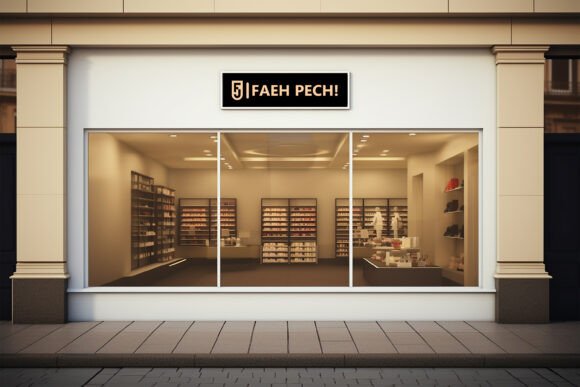
For freelancers and agencies, the presentation phase is crucial for securing approval. A flat logo on a white background often fails to convey the emotional impact of a brand. By placing the logo within a restaurant logo mockup that features vintage style and minimalist aesthetics, you provide context. This context helps non-design stakeholders understand how the brand will appear in the real world. It transforms abstract design choices into concrete business outcomes, facilitating smoother approvals and reducing revision cycles.
Technical Compatibility and File Management
To ensure efficiency, it is essential to understand the technical requirements of these digital assets. Most professional Bakery Front Logo Mockup Design packages are delivered in PSD (Photoshop Document) format. This format is industry-standard because it supports smart objects, layers, and non-destructive editing.
- Smart Objects: Ensure your workflow utilizes smart objects for logo placement. This feature allows you to swap out designs instantly without losing resolution or distorting perspective.
- Layer Organization: High-quality mockups come with well-organized layers. Familiarize yourself with the layer structure to adjust lighting, shadows, and background elements efficiently.
- Resolution Requirements: For outdoor signage and large-format prints, always work with high-resolution files. A pixelated mockup can undermine the perceived quality of the brand.
Compatibility extends beyond software. Consider how the mockup aligns with your existing brand guidelines. If your brand uses specific Pantone colors, ensure your design software is calibrated correctly to reflect these hues accurately within the mockup’s lighting environment. This attention to detail maintains consistency across all marketing materials.
Enhancing Realism Through Customization
The value of a digital storefront design lies in its realism. However, out-of-the-box templates may not perfectly match your specific location or brand vibe. Customization is key to creating an authentic representation.
Start by adjusting the environmental lighting. If your bakery is located in a sunny region, increase the brightness and contrast to mimic natural daylight. Conversely, for a cozy, evening ambiance, tweak the shadow layers to simulate warm, artificial lighting. These subtle adjustments make the interactive 3D logo mockup feel genuine rather than staged.
Furthermore, consider the surrounding elements. If your brand emphasizes organic ingredients, you might add subtle textures or adjust the color temperature to evoke warmth. For a modern, minimalist cafe, keep the surroundings clean and sharp. The goal is to ensure that the shop front logo feels like an integral part of the environment, not just an overlay.
Strategic Applications Across Marketing Channels
Once you have created a compelling visual using the Bakery Front Logo Mockup Design, its utility extends beyond internal reviews. These assets are powerful tools for external marketing and brand building.
Social Media and Digital Presence
In the digital age, your online presence is often the first point of contact for customers. Use high-quality mockups for social media posts, website headers, and email newsletters. A realistic image of your storefront generates excitement and anticipation, especially during a rebrand or new launch. It helps followers visualize the physical space, creating a stronger emotional connection before they even visit.
Packaging and Retail Consistency
Branding consistency is vital for recognition. The same principles used in the Black Box Logo Mockup can be applied to packaging design. By ensuring that the logo looks cohesive on both the storefront and the packaging, you reinforce brand identity. Use the mockup to test how the logo appears on various materials, from paper bags to rigid boxes. This holistic approach ensures that every touchpoint, from the exterior sign to the product in hand, tells a unified story.
Best Practices for Long-Term Use
To get the most out of your Bakery Front Logo Mockup Design, adopt a systematic approach to file management and updates. As your business evolves, so too will your branding needs. Keep your master PSD files organized and backed up. Label layers clearly and maintain a version history to track changes over time.
Additionally, stay updated with design trends. While vintage and minimalist styles are currently popular, consumer preferences shift. A flexible mockup template allows you to adapt quickly to new trends without starting from scratch. Regularly review your visual assets to ensure they remain relevant and effective in capturing attention.
Conclusion
The Bakery Front Logo Mockup Design is more than a decorative element; it is a strategic tool for visual communication. By integrating it into your workflow from the early planning stages through to final marketing execution, you enhance clarity, reduce errors, and elevate your brand’s professional appearance. Whether you are a small business owner looking to make a strong first impression or a designer aiming to deliver exceptional client value, mastering the use of these mockups will yield significant returns. Focus on realism, consistency, and strategic application to ignite your food business branding and stand out in a crowded market.