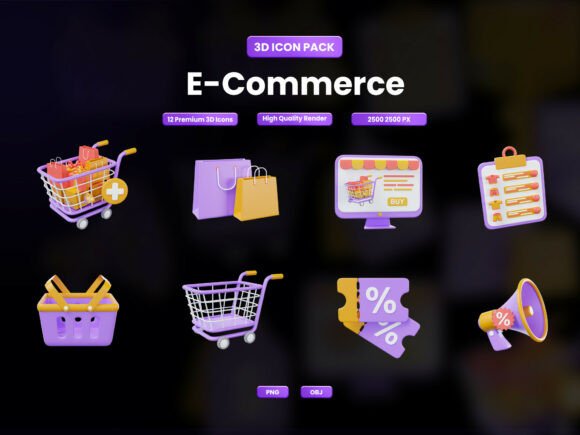
E-Commerce 3D Icon Pack: A Visual Asset Evaluation
In the competitive landscape of digital retail, visual consistency and immediate recognition are critical components of user experience. Designers and store owners often seek assets that can convey complex ideas instantly without cluttering the interface. The E-Commerce 3D Icon Pack represents a specific category of design resources aimed at addressing these needs through a distinct aesthetic. This article evaluates the utility, application, and strategic value of this icon set for various e-commerce contexts.
Understanding the E-Commerce 3D Icon Pack
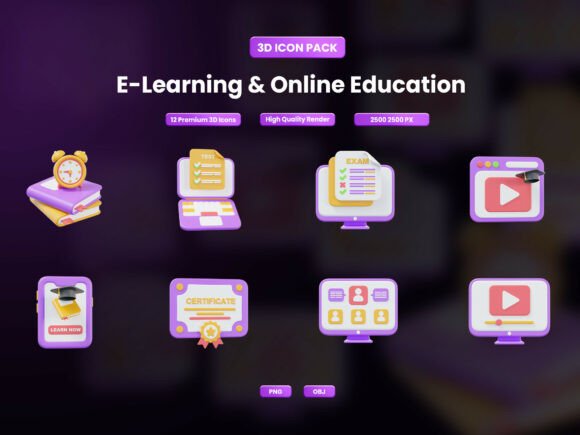
The E-Commerce 3D Icon Pack is a collection of high-resolution graphical elements designed to represent common online shopping functions and concepts. Unlike traditional flat vector icons or line art, this pack utilizes a "chubby smooth" 3D rendering style. This approach gives objects a tangible, volumetric appearance while maintaining a clean and friendly aesthetic. The set typically includes twelve PNG files with transparent backgrounds, sized at 2500x2500 pixels, ensuring scalability across different devices and screen densities.
The content within the pack covers two primary categories: standard e-commerce utilities and futuristic metaverse elements. Standard items include shopping carts, discount tags, credit cards, delivery boxes, currency symbols, and verification badges. These are the fundamental building blocks of any transactional website. Additionally, the pack incorporates forward-looking assets such as VR headsets, avatars, crypto coins, holograms, and portals. This dual focus allows the resource to serve both traditional retail sites and those exploring Web3 or immersive commerce experiences.
Reasons for Interest in 3D Visual Assets
Designers and business owners might consider this pack for several practical reasons. First, the shift toward three-dimensional graphics in web design has been driven by the need to break away from the uniformity of flat design. A well-executed 3D icon can draw the eye more effectively than a flat counterpart, potentially increasing click-through rates on call-to-action buttons or promotional banners.
Secondly, the inclusion of metaverse-related objects addresses a growing niche. As brands begin to integrate virtual reality and blockchain elements into their strategies, having a cohesive visual language that bridges traditional shopping with futuristic concepts becomes valuable. The E-Commerce 3D Icon Pack offers a pre-made solution for this transition, saving the time and cost associated with custom 3D modeling.
Finally, the technical specifications of the files—specifically the high resolution and transparent backgrounds—reduce the friction of implementation. Designers do not need to perform extensive post-processing to make the icons fit into existing layouts, which streamlines the workflow for creating landing pages, social media content, and mobile app interfaces.
Benefits and Strategic Advantages
The primary benefit of utilizing this specific style is its ability to convey friendliness and approachability. The "chubby" aesthetic softens the rigid nature of transactional processes like payments and shipping, making them feel less intimidating to the user. This psychological nuance can be particularly effective for consumer-facing brands targeting younger demographics or lifestyle markets.
From a production standpoint, the high-resolution renders ensure that visuals remain crisp on high-DPI displays, such as modern smartphones and retina screens. Blurry or pixelated icons can undermine trust in an online store; therefore, the quality assurance provided by 2500x2500 px files is a significant practical advantage. Furthermore, the versatility of the set allows for consistent branding across multiple touchpoints, from the checkout page to Instagram promotional posts.
Tradeoffs and Considerations
While the benefits are clear, there are tradeoffs to consider before integrating these assets. The most significant factor is file size. 3D rendered PNGs generally have larger file weights compared to SVG or flat vector formats. For websites where page load speed is a critical performance metric, using large image files for every icon could negatively impact Core Web Vitals scores. Designers must weigh the visual appeal against the potential latency introduced by heavier assets.
Another consideration is stylistic compatibility. The "smooth chubby" look is distinctive but not universal. It may clash with minimalist, brutalist, or highly corporate design systems that rely on sharp lines and monochromatic palettes. If a brand's identity is built on strict minimalism, introducing colorful, volumetric 3D elements could create visual dissonance rather than cohesion.
Additionally, the fixed nature of rasterized PNGs means they cannot be resized infinitely without loss of quality, unlike vector graphics. While 2500 pixels is sufficient for most current applications, future-proofing for extremely large billboards or specialized displays might require higher resolutions or a different format.
Situations Where the Pack is a Strong Fit
This asset pack is ideally suited for scenarios requiring high engagement and visual warmth. Online stores selling fashion, toys, beauty products, or lifestyle goods will find the playful aesthetic aligns well with their target audience. Promotional banners and sales-focused social media content also benefit significantly from the eye-catching nature of 3D renders, which stand out in crowded news feeds.
Furthermore, the inclusion of metaverse objects makes this pack a strong candidate for brands launching NFT collections, virtual storefronts, or apps that utilize augmented reality. In these contexts, the presence of VR headsets and holograms signals innovation and technological adoption, reinforcing the brand's positioning as a forward-thinking leader.
When Alternatives May Be Worth Considering
Despite its strengths, the E-Commerce 3D Icon Pack may not be the optimal choice for every project. Financial institutions, B2B marketplaces, or legal service providers often require a more serious, authoritative visual tone. In these sectors, flat icons or detailed line art might communicate professionalism more effectively than playful 3D shapes.
Similarly, if a project involves a complex dashboard with dozens of icons, the file size accumulation of high-res PNGs could become a performance bottleneck. In such cases, a lightweight SVG icon library would likely offer better scalability and faster loading times. Additionally, if a brand requires a specific color palette that differs significantly from the "colorful" nature of this pack, the cost and effort of recoloring 3D renders might outweigh the benefits of purchasing the set.
Practical Decision-Making Insights
When evaluating whether to adopt the E-Commerce 3D Icon Pack, decision-makers should first audit their current design system. Does the brand voice support a friendly, tactile aesthetic? If the answer is yes, the next step is to test the performance impact. Download a sample of the icons and measure the effect on page load speed within your specific hosting environment.
Consider the longevity of the trend. While 3D design is currently popular, it is essential to ensure the style does not date too quickly. However, because this pack includes timeless elements like shopping carts and credit cards alongside futuristic ones, it offers a degree of flexibility. You can use the standard icons for core functionality and reserve the metaverse elements for specific campaigns.
Ultimately, the value of this pack lies in its ability to bridge the gap between functional necessity and visual storytelling. By providing high-quality, ready-to-use assets, it reduces the barrier to entry for creating professional-grade e-commerce visuals. Whether for a small startup looking to elevate its marketplace listing or a larger enterprise exploring new digital frontiers, the decision to use these icons should be grounded in a clear understanding of how they align with broader user experience goals and technical constraints.