Evaluating the 3D Layered Flower Papercut Floral SVG for Digital Crafting
In the evolving landscape of digital crafting, precision and aesthetic depth are paramount. The 3D Layered Flower Papercut Floral SVG represents a specific category of design files that bridge the gap between two-dimensional digital art and tangible, three-dimensional physical objects. For crafters, designers, and hobbyists, understanding the utility and limitations of these files is essential before integrating them into a workflow. This article explores the practical applications, technical requirements, and decision-making factors associated with using layered papercut designs.
Understanding the Technology Behind Layered Papercut Designs
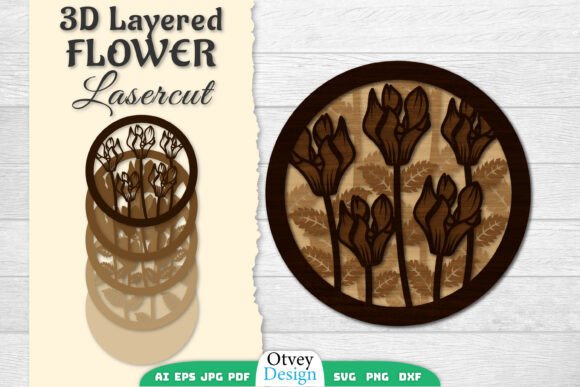
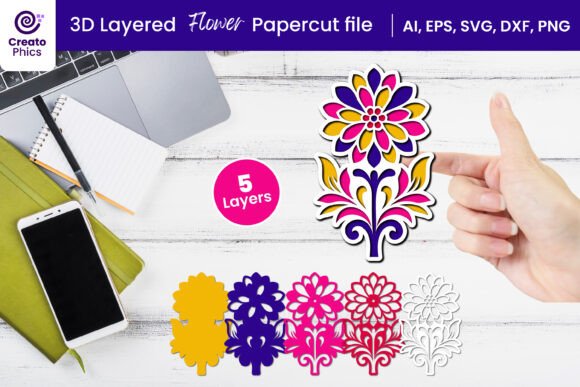
A 3D layered flower papercut file is not merely an image; it is a structured set of vector paths designed to be cut from multiple sheets of material. Each layer corresponds to a different depth in the final assembly. When stacked with foam adhesive or spacers, these layers create shadows and perspective, mimicking the look of hand-carved paper art. The SVG (Scalable Vector Graphics) format is crucial here because it allows cutting machines to read precise coordinates without losing quality, regardless of the size adjustment.
The appeal of this specific floral design lies in its versatility. Unlike static prints, a layered SVG invites interaction. The user becomes a co-creator, selecting paper weights, colors, and textures that define the final mood of the piece. This level of customization is a primary driver for those interested in moving beyond simple print-on-demand projects toward more intricate handmade goods.
Key Benefits for Crafters and Designers
One of the most significant advantages of using a pre-designed 3D Layered Flower Papercut Floral SVG is the reduction in design time. Creating a multi-layered illustration from scratch requires advanced skills in vector software and a deep understanding of how light and shadow interact with paper thickness. By utilizing a ready-made file, crafters can bypass the initial design phase and focus on execution.
- Professional Aesthetics: The layered approach adds a premium look to simple materials like cardstock.
- Scalability: Vector formats ensure that the design remains crisp whether used for a small greeting card or a large wall art piece.
- Material Efficiency: Optimized nesting in the file helps minimize waste when cutting from standard 12x12 inch sheets.
Furthermore, the inclusion of multiple file formats—such as EPS, AI, DXF, and PNG—ensures compatibility across a wide range of tools. While SVG is standard for many home cutting machines, professional laser cutters may prefer DXF or AI files. The availability of high-resolution PNGs at 300 DPI also allows for hybrid projects where digital printing complements physical cutting.
Technical Considerations and Assembly Realities
While the digital file provides the blueprint, the physical result depends heavily on execution. It is important to manage expectations regarding the assembly process. "Easy to assemble" is a relative term. A complex floral design may consist of ten or more layers per flower. Each layer must be aligned precisely, and adhesive must be applied evenly to prevent warping.
Crafters should consider the following technical tradeoffs:
- Paper Weight: Standard copy paper is too flimsy for structural integrity. Cardstock between 65lb and 80lb is typically ideal. Heavier paper creates more pronounced shadows but may be difficult for some blades to cut cleanly.
- Adhesive Choice: Liquid glue can cause paper to buckle. Foam tape or double-sided adhesive dots are preferred for maintaining the 3D effect, though they add bulk to the final project.
- Machine Calibration: Intricate details in floral petals require sharp blades and correct pressure settings. Test cuts are necessary to ensure fine lines do not tear.
The file dimensions provided (12 in x 12 in) are standard for many consumer cutting mats. However, users intending to create larger wall art will need to scale the file up. When scaling, it is vital to check that the smallest details remain cuttable. If the vector nodes are too dense, resizing can sometimes lead to processing errors in older software versions.
Ideal Use Cases for This Design
The 3D Layered Flower Papercut Floral SVG is particularly well-suited for specific types of projects where visual impact outweighs the time investment in assembly.
Greeting Cards and Invitations: For high-end stationery, a single layered flower on the cover can elevate a simple card into a keepsake. The tactile nature of the paper engages the recipient immediately.
Wall Art and Home Decor: Framed papercut art is a popular interior design trend. Using contrasting paper colors—for example, white layers on a dark background—can create a striking monochromatic look that fits modern minimalist aesthetics.
Scrapbooking: In memory keeping, these elements serve as focal points. They add dimension to flat pages without the bulk of heavy embellishments, making albums easier to store and handle.
When to Consider Alternatives
Despite its benefits, this type of design is not always the optimal choice. Crafters working under tight deadlines may find the assembly process too labor-intensive. In such cases, a single-layer SVG or a printed digital image might be more efficient.
Additionally, those without access to a cutting machine or laser cutter will find limited utility in the vector files. While the included PNGs can be used for digital sublimation or printing, the core value of the product—the 3D layered effect—is lost without physical cutting capabilities. Beginners who are still mastering basic weeding and blade maintenance might struggle with the intricate inner cuts of a detailed floral design. Starting with simpler, bold shapes is often recommended before tackling complex layered compositions.
Making an Informed Decision
Choosing to invest in a 3D Layered Flower Papercut Floral SVG should align with your current skill level and project goals. If you enjoy the meditative aspect of assembly and have the necessary tools, this file offers a high reward for effort. The availability of formats like EPS and AI suggests that the creator has considered professional workflows, making it a viable option for small business owners who sell handmade goods.
However, evaluate your available time. A single complex flower may take thirty minutes to cut and another thirty to assemble properly. For mass production, this time cost must be factored into pricing. For personal enjoyment, the process is part of the charm.
Ultimately, this design serves as a tool for creative expression. It provides the structure, but the choice of paper, color palette, and framing determines the final outcome. By understanding the technical requirements and realistic time commitments, crafters can decide if this layered approach fits their creative vision. Whether for a heartfelt gift or a decorative home accent, the key lies in patience and precision during the assembly phase.