Crafting a 3D Valentine’s House Laser Cut
Valentine’s Day often brings to mind clichés of red roses and heart-shaped chocolates, but for makers and designers, it represents a unique opportunity to craft something tangible and lasting. The 3D Valentine’s House Laser Cut offers a refreshing departure from flat cards and generic decorations. It is an architectural expression of affection, combining the precision of modern digital fabrication with the warmth of traditional home symbolism. This project is not merely about cutting shapes; it is about constructing a narrative of shelter, love, and care through layered design.
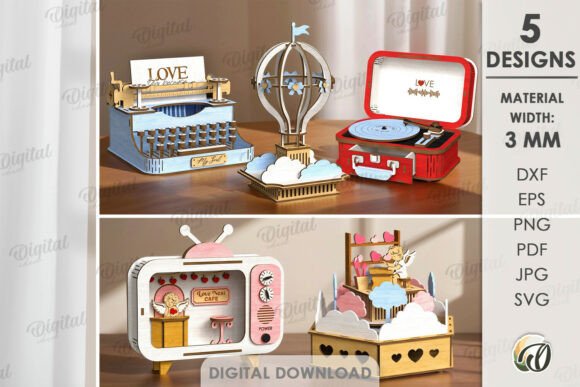
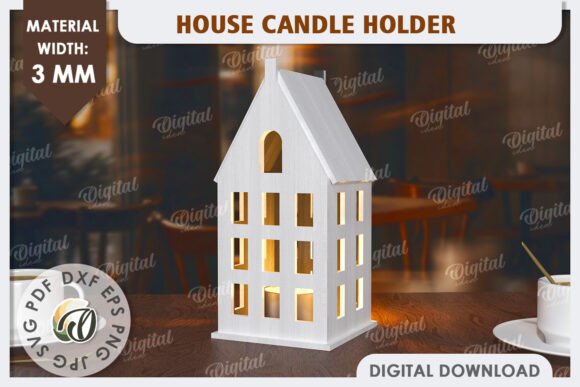
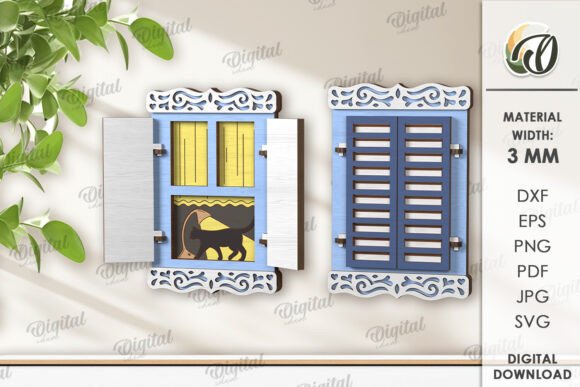
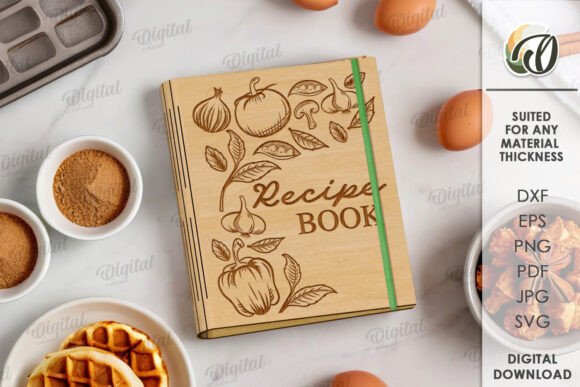
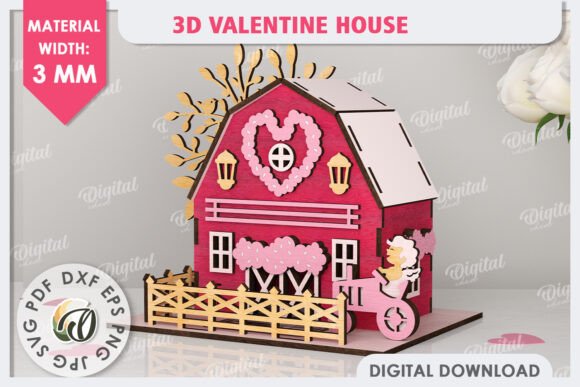
At its core, this design transforms simple sheets of material into a dimensional structure that captures light and shadow in compelling ways. Whether you are a hobbyist looking for a weekend project or a small business owner aiming to expand your seasonal product line, understanding the versatility of this file set is crucial. The accompanying zip folder provides designs in SVG, DXF, EPS, PDF, JPEG, and PNG formats, ensuring compatibility with virtually any laser cutter or CNC machine on the market. With a required material width of just 3mm, the barrier to entry is low, while the potential for high-end aesthetic results remains remarkably high.
The Appeal of Dimensional Storytelling
Why choose a house motif for Valentine’s Day? The concept of "home" is deeply intertwined with feelings of safety, belonging, and intimacy. A 3D Valentine’s House Laser Cut leverages this emotional connection by presenting love as a foundation rather than just a fleeting emotion. When assembled, the layered panels create depth, allowing viewers to peer into the intricate details of the interior spaces. This interactivity makes the piece more engaging than standard wall art.
For educators and workshop leaders, this project serves as an excellent teaching tool. It introduces students to spatial reasoning, vector file management, and material properties. The process of assembling the layers requires patience and precision, fostering a sense of accomplishment that resonates with learners of all ages. By using the provided PDF instructions alongside the vector files, instructors can guide participants through both the digital preparation and physical assembly phases, creating a comprehensive learning experience.
Material Choices and Aesthetic Variations
While the design specifies a 3mm material width, the choice of material itself opens up endless creative avenues. The most common choice is wood, such as birch plywood or basswood, which offers a natural, warm tone that complements the romantic theme. However, experimenting with different materials can drastically alter the mood of the final piece.
- Acrylic: Using translucent colored acrylics can turn the house into a lantern. When backlit with LED strips, the cut-out windows and decorative elements glow, creating a magical ambiance perfect for evening displays.
- Cardstock: For those without access to laser cutters, the PDF and JPEG files can be used for manual cutting or die-cutting machines. Layering heavy cardstock in shades of pink, red, and cream creates a delicate, paper-craft aesthetic suitable for greeting cards or scrapbooking.
- Metal: Advanced users might experiment with thin aluminum or brass sheets for a sleek, industrial look. This approach appeals to modern interior design trends and makes for a sophisticated corporate gift.
Regardless of the material, consistency in finish is key. Sanding wooden edges or polishing acrylic surfaces ensures a professional look that elevates the perceived value of the item. For small business owners, this attention to detail can justify a higher price point and encourage repeat customers.
Adapting the Design for Different Audiences
One of the greatest strengths of the 3D Valentine’s House Laser Cut is its adaptability. Marketers and entrepreneurs can tailor the presentation to suit specific target demographics. For instance, a minimalist version painted in white or pastels might appeal to younger audiences who prefer subtle, Instagram-worthy decor. Conversely, a richly stained wooden version with intricate detailing may resonate more with older demographics who appreciate craftsmanship and tradition.
Freelance designers can use this base design as a starting point for customization. Adding personalized elements such as names, dates, or short messages within the window frames transforms a generic product into a bespoke keepsake. This level of personalization is highly valued in the gift market and can be achieved easily by editing the SVG or DXF files in software like Adobe Illustrator or Inkscape.
Corporate clients also present a viable market. Companies often seek unique, branded gifts for employees or partners during Valentine’s season. By incorporating company logos subtly into the design or packaging, businesses can offer a thoughtful yet professional gesture that stands out from typical promotional items.
Practical Tips for Assembly and Presentation
Success with this project lies not only in the cutting but also in the assembly. To ensure the layers align perfectly, start by dry-fitting the pieces before applying any adhesive. Use a high-quality wood glue or cyanoacrylate adhesive depending on your material, and apply it sparingly to avoid visible residue. Clamping the layers gently while the glue sets will prevent warping and ensure a sturdy final structure.
Lighting plays a crucial role in showcasing the 3D effect. Consider integrating small, battery-operated fairy lights inside the house structure. The warm glow will highlight the intricate cut-outs and cast interesting shadows on surrounding surfaces. For display purposes, place the house on a mantelpiece, shelf, or desk where it can serve as a focal point. Pairing it with other natural elements like dried flowers or candles can enhance the overall aesthetic.
When selling or gifting the finished product, packaging matters. A clear box that allows the recipient to see the item without opening it preserves the surprise while protecting the delicate layers. Including a care card with tips on cleaning and maintenance adds a professional touch and demonstrates consideration for the recipient’s long-term enjoyment of the piece.
Expanding Your Creative Horizon
The possibilities of creation are indeed endless. Once you master the basic 3D Valentine’s House Laser Cut, consider expanding the concept into a series. Create matching structures for other holidays, such as a spooky house for Halloween or a cozy cottage for Christmas. This approach helps build a cohesive brand identity for creators and keeps customers engaged throughout the year.
Collaboration is another avenue worth exploring. Partner with local florists to include the laser-cut house as part of a premium bouquet package. Work with interior designers to feature the piece in staged homes or model apartments. These partnerships can open new distribution channels and increase visibility for your work.
Remember, the goal is to create something that feels original and meaningful. While the digital files provide the framework, your choice of materials, finishes, and presentation brings the soul to the project. Take time to experiment with different color palettes and textures. Document your process and share it on social media to inspire others and build a community around your craft.
If you have questions about file compatibility, material recommendations, or assembly techniques, do not hesitate to reach out. Effective communication with sellers and fellow makers can solve problems quickly and lead to valuable insights. Happy shopping, and may your creative endeavors bring joy and beauty to your space and the lives of those you share them with.